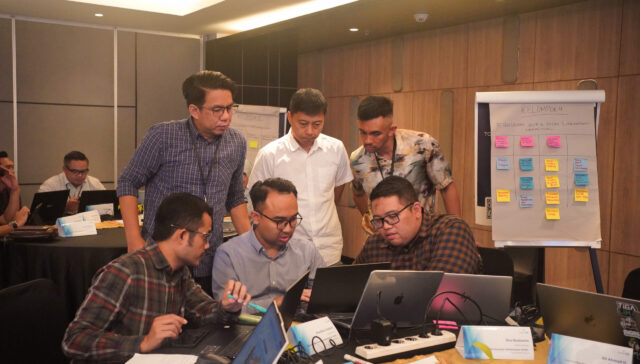


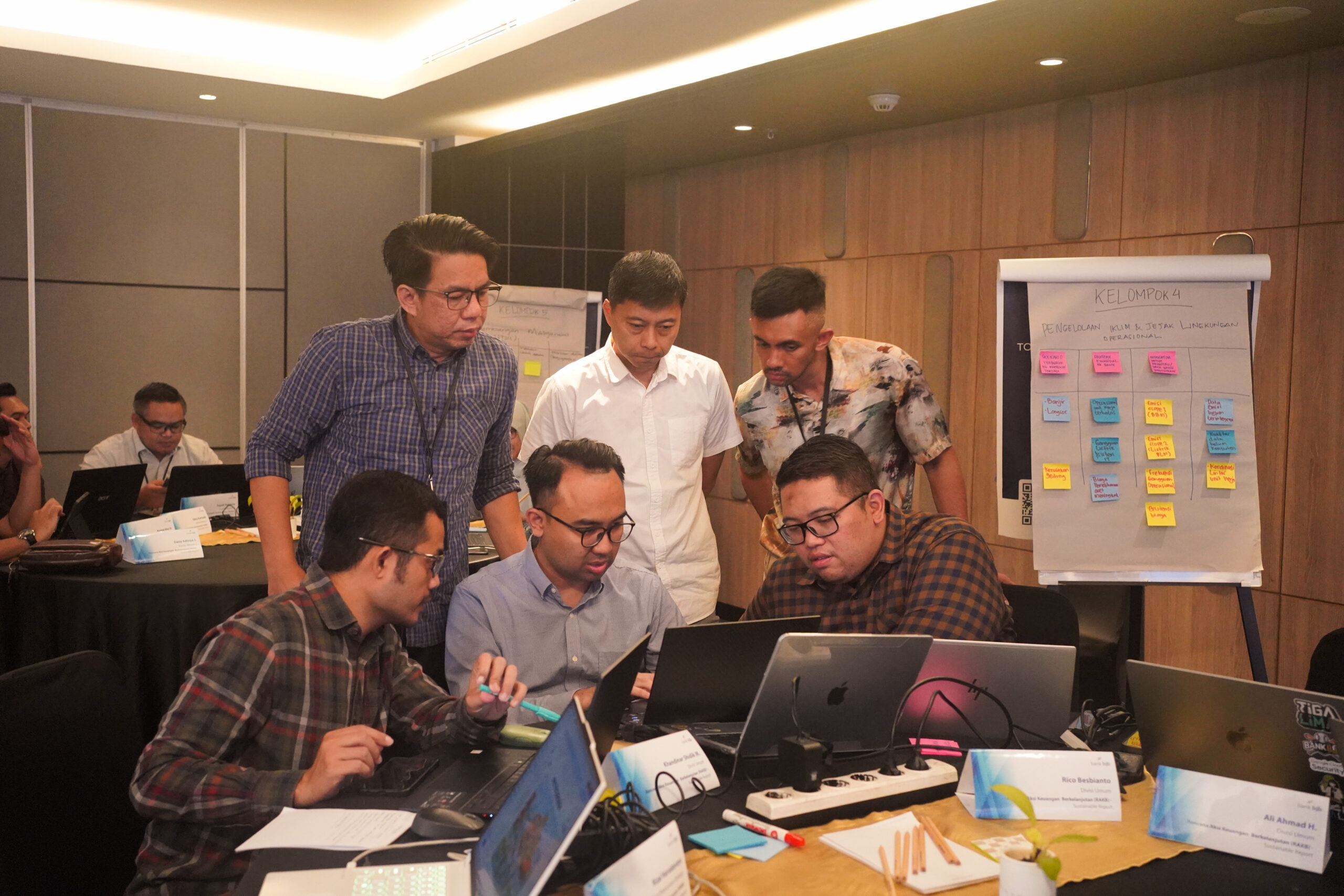
Building ESG capability is no longer driven by intention alone. Today, organizations must turn ESG commitments into real-world action. Expectations are coming from multiple directions at once. Regulators introduce new requirements, while investors demand clearer disclosures. Stakeholders also pay closer attention to how businesses operate beyond financial performance.
Standards continue to evolve. Frameworks like sustainability reporting and climate disclosure are becoming more structured and demanding. Consequently, organizations must do more than just commit to ESG. They must show how they carry out those commitments in practice.
This is where many organizations face a fundamental question. The issue is not what ESG is, but how it actually works within their organization. Strategy documents alone cannot implement ESG. Success depends on how well teams understand, interpret, and apply it in their daily work.
Making ESG Part of How the Organization Works
At Daun+, we design training to support this shift. We do not just add more concepts. Instead, we help organizations embed ESG into their existing operations. This means aligning teams, clarifying roles, and identifying ESG elements within current processes.
When this alignment takes shape, ESG becomes easier to manage. It is no longer a separate initiative. It becomes a core part of how the organization makes decisions.
A Closer Look: Supporting bank bjb
Our collaboration with bank bjb is an example. The bank was strengthening its approach to sustainability reporting and climate-related disclosure. They focused specifically on carbon accounting and IFRS S1 and S2.
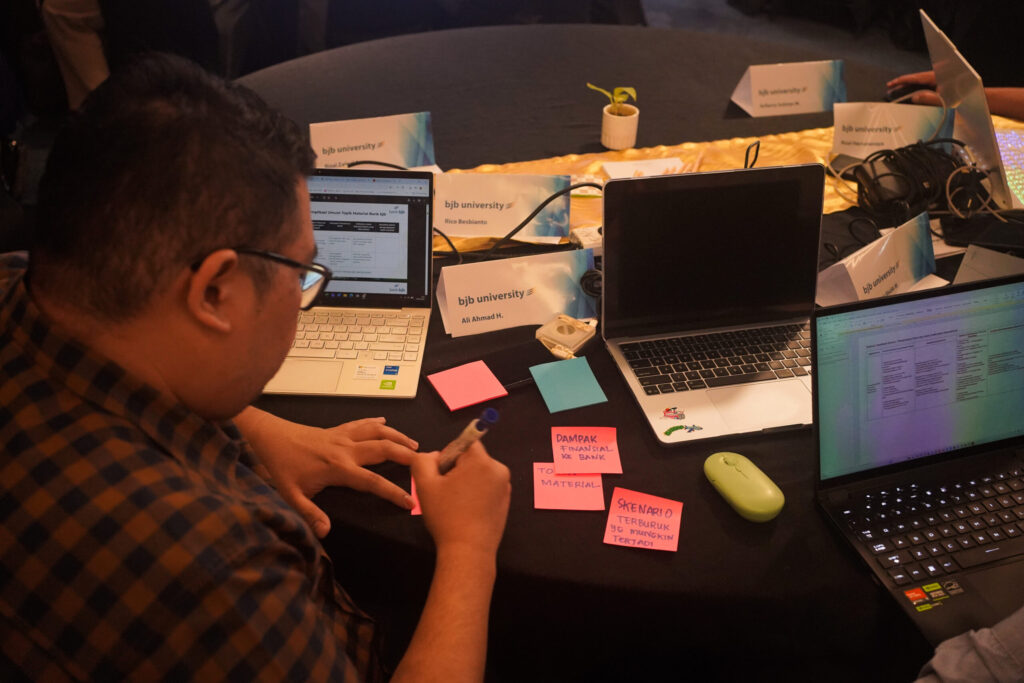
Clear understanding is essential in the banking sector. This is because banks must manage both operational and financed emissions. Our training helped teams understand the link between carbon data and reporting requirements. More importantly, we guided participants to see how these elements relate to their specific roles.
This approach made the discussion practical. Instead of seeing ESG as a separate topic, teams saw where it fits within their current work. They identified what they need to strengthen moving forward.
Beyond ESG: Building Capability Across Topics
Organizations also navigate other areas linked to sustainability. In our work with Bank Mandiri and EMP Pekanbaru, we focused on Diversity, Equity, and Inclusion (DEI). This included using BISINDO and sign language in service and workplace contexts.
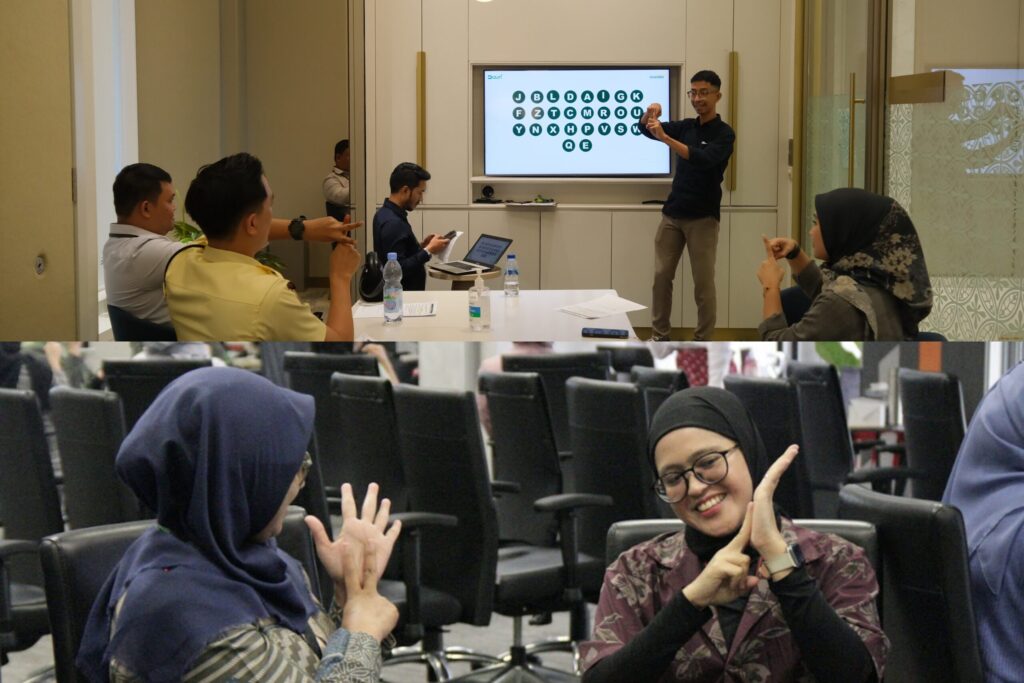
Inclusion is now a vital part of responsible business. However, organizations often struggle to apply these principles consistently. Through training, teams learn how to implement inclusive practices in real interactions. This applies to both customer service and internal collaboration.
We also engaged with MAKA Group and PT Merdeka Copper Gold Tbk (MDKA). There, the focus shifted to greenhouse gas (GHG) understanding and Scope 3 emissions. Companies must have a clear foundation to measure and manage emissions effectively.
Training That Responds to Organizational Needs
Each Daun+ program responds to specific organizational needs. Sometimes, the priority is building a shared baseline. In other cases, the focus is technical, such as carbon accounting or process integration.
Our approach remains consistent. We provide structured and practical training connected to real business situations. This allows participants to relate the discussion immediately to their own work.
What Organizations Gain
As organizations follow this process, teams begin to work differently. A consistent understanding of ESG emerges across all functions. Discussions become more focused. Teams feel better equipped to interpret requirements and take relevant action.
This creates a stronger internal foundation. It helps meet external expectations and ensures that ESG efforts remain sustainable over time.
Moving Forward with the Right Foundation
Building ESG capability is not about completing a single initiative. It is about strengthening how an organization approaches sustainability every day.
At Daun+, our training supports this transition. We help organizations build clarity and alignment. This enables ESG to move beyond simple commitment and become part of how the business runs. Building internal understanding is a practical and meaningful place to start.